

How to Choose the Right Diesel Generator for Your Business
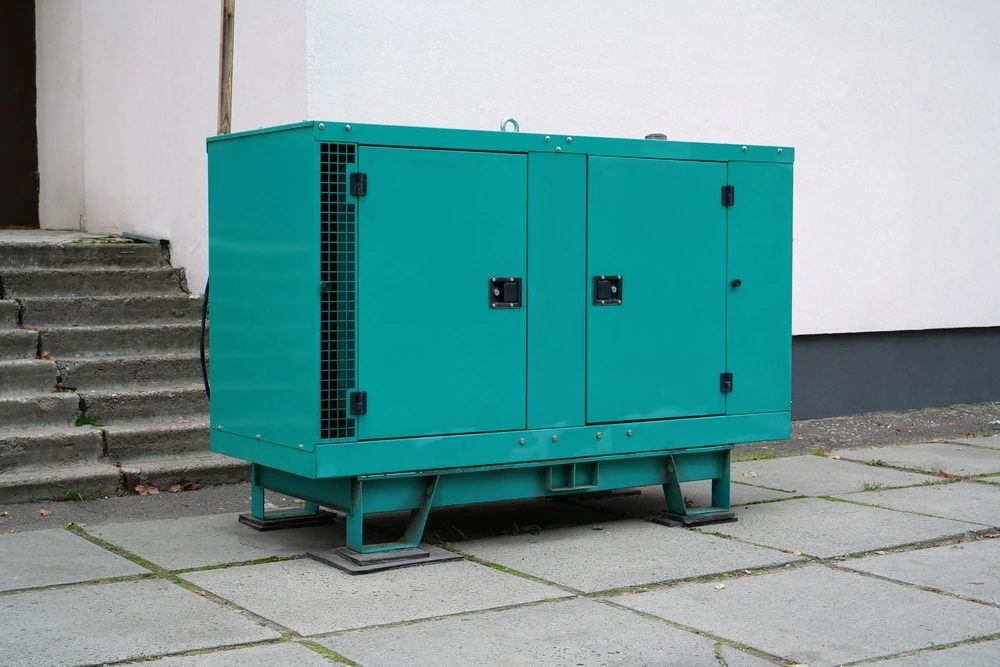
Reliable electricity is essential for almost every modern business. Whether you operate a manufacturing plant, commercial building, hospital, construction site, warehouse, office, or retail facility, an unexpected power failure can interrupt operations and affect productivity.
A diesel generator can provide dependable backup power when the main electricity supply is unavailable or unstable. However, choosing the right generator is not simply about selecting the highest kVA rating or the cheapest option. You need to consider your power requirements, application, operating hours, fuel consumption, installation space, maintenance needs, and long-term operating costs.
If you are searching for the best diesel generator for your business, this guide will help you understand the most important factors before making a purchase.
How Do You Choose the Right Diesel Generator?
To choose the right diesel generator, first calculate your business's total power requirement and identify which equipment must continue operating during a power failure. Then select an appropriate kVA capacity with sufficient operating margin, consider the generator's fuel efficiency and engine quality, check whether you need an automatic AMF/ATS panel, and evaluate after-sales service, spare parts availability, maintenance, and installation requirements.
In simple terms, the best generator is not necessarily the biggest one. It is the generator that provides reliable power at the required load while offering practical fuel consumption, dependable performance, easy maintenance, and suitable long-term operating costs.
1. Understand Your Business Power Requirement
The first and most important step is calculating how much electricity your business actually needs.
Make a list of all the electrical equipment that may need to operate during a power cut. This could include:
- Production machinery
- Air-conditioning systems
- Computers and servers
- Lighting systems
- Pumps and motors
- Refrigeration equipment
- Elevators
- Security systems
- Medical equipment
- Office equipment
- Communication systems
Remember that some equipment, particularly motors and pumps, can require additional power during startup. Therefore, simply adding the running wattage of your equipment may not provide an accurate generator requirement.
A professional generator supplier can help you assess your connected load, starting load, and expected operating load before recommending a suitable diesel generator capacity.
2. Select the Correct kVA Capacity
Diesel generators are commonly specified by their kVA rating. Choosing the correct capacity is essential for reliable performance.
A generator that is too small may become overloaded, resulting in poor performance, increased wear, and potential equipment problems. On the other hand, purchasing a generator that is significantly larger than your actual requirement can increase the initial investment and may result in inefficient operation.
For example, a small office may require a completely different generator size from a factory with multiple heavy-duty machines.
Garvi Enterprise offers a broad range of generator solutions across different brands and capacities. Its listed range includes options from approximately 2 kVA to 3100 kVA, depending on the manufacturer and model.
The right capacity should therefore be selected based on your actual application rather than simply choosing the largest available generator.
3. Consider the Type of Application
Your application plays a major role in choosing a diesel power generator.
A commercial office may primarily need backup power for lighting, computers, air conditioning, and communication systems. A manufacturing facility, however, may require continuous power for motors, compressors, pumps, production machinery, and other heavy loads.
Construction sites may require generators that can operate in demanding environments, while hospitals and critical facilities may prioritize fast automatic power restoration.
Ask yourself:
- Is the generator for standby power?
- Will it operate for several hours every day?
- Is it required for continuous operation?
- Are there large motors or machines?
- Will the generator be installed indoors or outdoors?
- Is automatic changeover required?
Answering these questions will make it easier to identify the right generator configuration.
4. Check Fuel Efficiency and Operating Costs
The purchase price is only one part of the total cost of owning a diesel generator.
If your business uses a generator frequently, fuel consumption can become a significant operating expense. A fuel-efficient diesel generator can help control running costs over its working life.
When comparing models, ask the supplier about:
- Fuel consumption at different loads
- Engine specifications
- Recommended operating load
- Maintenance intervals
- Lubricant requirements
- Filter replacement requirements
- Expected service requirements
A generator that has a slightly higher initial price may provide better long-term value if it delivers dependable performance and efficient operation.
5. Choose a Reliable Generator Engine and Brand
The engine is one of the most important components of a diesel generator. A reliable engine can make a significant difference to generator performance, durability, maintenance, and availability of spare parts.
When choosing a generator, consider the reputation of the manufacturer, availability of replacement parts, technical support, and suitability of the engine for your application.
Garvi Enterprise's generator portfolio includes established brands such as Cummins, Baudouin, Perkins, Mahindra, Ashok Leyland, Cooper, Kirloskar Koel, TATA, Escorts, TMTL, Honda, and Greaves, with different brands covering different capacity ranges.
Instead of selecting a brand only because it is popular, compare the specifications and support available for your particular application.
6. Decide Whether You Need an AMF or ATS Panel
For many businesses, manually starting a generator during a power failure is not ideal.
An AMF (Automatic Mains Failure) panel or ATS (Automatic Transfer Switch) can help automate the changeover between the main electricity supply and generator power, depending on the system configuration.
This can be particularly useful for:
- Offices
- Hospitals
- Data and communication facilities
- Commercial buildings
- Manufacturing units
- Warehouses
- Critical infrastructure
If uninterrupted or rapid backup power is important for your business, discuss AMF/ATS requirements with your generator supplier before purchasing the generator.
Garvi Enterprise also lists AMF / ATS panels among its power-generation products and services.
7. Think About Installation and Space
A diesel generator requires appropriate installation conditions.
Before purchasing, consider where the generator will be installed and whether the location provides adequate ventilation, exhaust arrangements, accessibility, and space for maintenance.
You should also consider:
- Generator dimensions
- Noise management
- Exhaust requirements
- Fuel storage
- Cooling and ventilation
- Electrical connections
- Maintenance access
- Safety requirements
Proper installation is just as important as selecting the correct generator. A technically suitable generator can still perform poorly if it is installed incorrectly.
8. Don't Ignore Maintenance and Spare Parts
Regular maintenance helps keep a diesel generator reliable when you need it most.
Common maintenance requirements can include checking engine oil, replacing filters, inspecting batteries, checking coolant, inspecting belts and hoses, and testing the electrical system.
Access to genuine or suitable diesel generator spare parts is also important for long-term operation.
Garvi Enterprise supplies generator spare parts, diesel engine spare parts, filters, lubricants, generator repairing services, and AMF/ATS panels alongside generators. This can make it easier for businesses to source related power-generation requirements from one supplier.
9. Compare the Supplier, Not Just the Generator
Choosing the right diesel generator supplier is just as important as choosing the generator itself.
A good supplier should be able to understand your power requirement and provide practical assistance before and after the purchase.
Look for a supplier that offers:
- Technical product knowledge
- Multiple generator options
- Spare parts support
- Maintenance assistance
- Quality-focused sourcing
- Product guidance
- Responsive customer service
Garvi Enterprise states that it has more than 15 years of experience in the power solutions industry and provides generators and related industrial products to customers in India and international markets.
Common Mistakes to Avoid When Buying a Diesel Generator
Before finalizing your purchase, avoid these common mistakes:
Choosing a Generator Without Calculating Load
Don't select a generator based only on the size of your building or the number of machines. Calculate your actual electrical requirements.
Buying the Cheapest Generator
A low purchase price does not always mean lower total cost. Consider fuel consumption, maintenance, spare parts, reliability, and service support.
Ignoring Starting Loads
Motors, compressors, pumps, and similar equipment can have higher starting requirements. Make sure your generator can handle them.
Forgetting Future Expansion
If your business is expected to add machinery or equipment, discuss future requirements before selecting the generator capacity.
Ignoring After-Sales Support
A generator is a long-term investment. Make sure spare parts, servicing, and technical assistance are available when required.
Choose the Right Diesel Generator with Garvi Enterprise
Selecting a diesel generator for your business is an important investment. The right solution should match your electrical load, application, operating conditions, fuel requirements, installation environment, and long-term maintenance needs.
Instead of choosing a generator based only on price or capacity, take a complete approach. Calculate your power requirement, consider starting loads, compare suitable engine and generator options, evaluate fuel efficiency, and make sure dependable spare parts and technical support are available.
Garvi Enterprise provides diesel generators, generator spare parts, diesel engine spare parts, filters, lubricants, generator repairing services, and AMF/ATS panels, supporting customers with power-generation requirements across India and international markets.
Looking for the right diesel generator for your business?
Contact Garvi Enterprise to discuss your power requirement and get guidance on suitable
generator options.
Call Garvi Enterprise: +91 9714000880
Website: Garvi Enterprise
Whether you need a generator for an office, factory, construction project, commercial facility, or industrial application, choosing the right power solution today can help your business stay productive and prepared for unexpected power interruptions.


